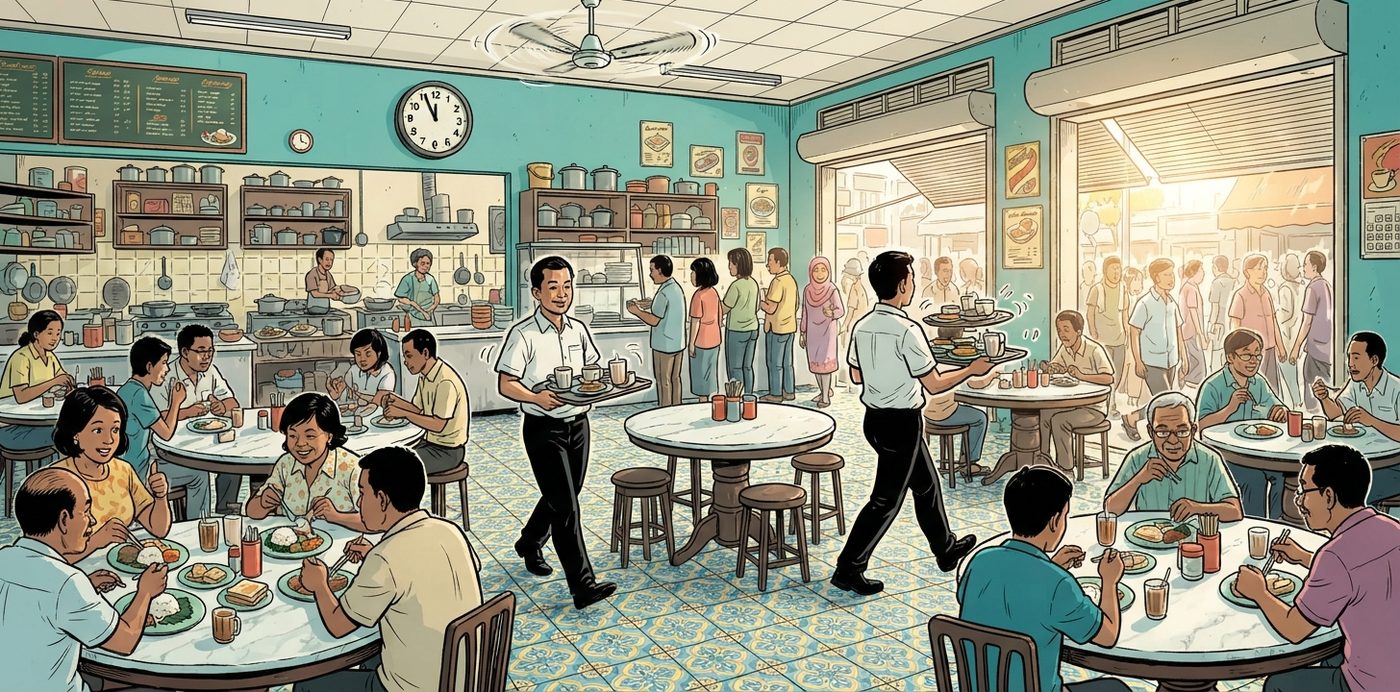
The Late Morning Rush
Weekends and the 11am hour carry the sales.
Pau AnalyticsInteractive dashboard2,421 orders · 2019–2020
How busy across the year
Average orders per open day, by month
Fairly steady near 8-10 a day; busiest in Feb-Mar 2020.
The May 2020 drop is fewer open days, not weak demand
Number of days the shop opened, by month
May-June 2020 the shop barely opened (the movement-control shutdown); demand per open day held up until then.
Sunday carries the week
Average orders on each weekday
Tuesday is the rest day; Sunday runs the busiest.
Weekends run busier
Average orders per open day, weekday vs weekend
Roster and prep should lean to Saturday and Sunday.
One late-morning rush
Total orders by hour
The shop runs about 11am to 5pm; 11am is the peak.
When exactly, by day and hour
Orders by weekday and hour (darker is busier)
The rush is a tight late-morning band, heaviest on the weekend.
Plan to a normal week
Expected orders for each day, with the typical low-to-high range, for staffing and prep
Expected demand from the stable months (Aug 2019 to Feb 2020). Assumes a normal, non-festive week.
Festive weeks run quieter, not busier
Change in orders vs a normal week
Customers travel home for the holidays, so scale down for these weeks.
What to do
Inventory, staff and festive planning
Prep to the peak
Stock and prep the weekend and the 11am rush hardest; run lean on weekday afternoons. Kitchen ready before 11.
Staff to the week
Full crew Saturday and Sunday and across late morning; a light crew Monday and Friday and in the afternoon lull.
Scale down for festivals
Cut prep and hours for Chinese New Year, Christmas and Deepavali weeks; expect 20-33% fewer orders, not more.